Fees and funding

Care home fees, explained with care

Clear weekly fees, what they include, and a gentle guide to the financial help that may be available.

A clear weekly fee, agreed before your loved one moves in

We know the cost of care can feel daunting, especially when there are already difficult decisions to make. Care home fees at Nightingale are based on the care needs and the choice of room. Once we have met your loved one and listened to what matters, we will confirm one weekly figure in writing, so you know where you stand.

Nightingale's weekly starting fees, by kind of care.
Type of carePermanent, fromShort stay, from
Residential care£1,350£1,450
Residential dementia care£1,400£1,500
Residential mental health care£1,400£1,500
Nursing care£1,495£1,595
Nursing dementia care£1,550£1,650
Nursing mental health care£1,550£1,650

These are starting figures. The exact fee depends on the care your loved one needs and the room they choose, and we will always talk that through with you before you make a decision.

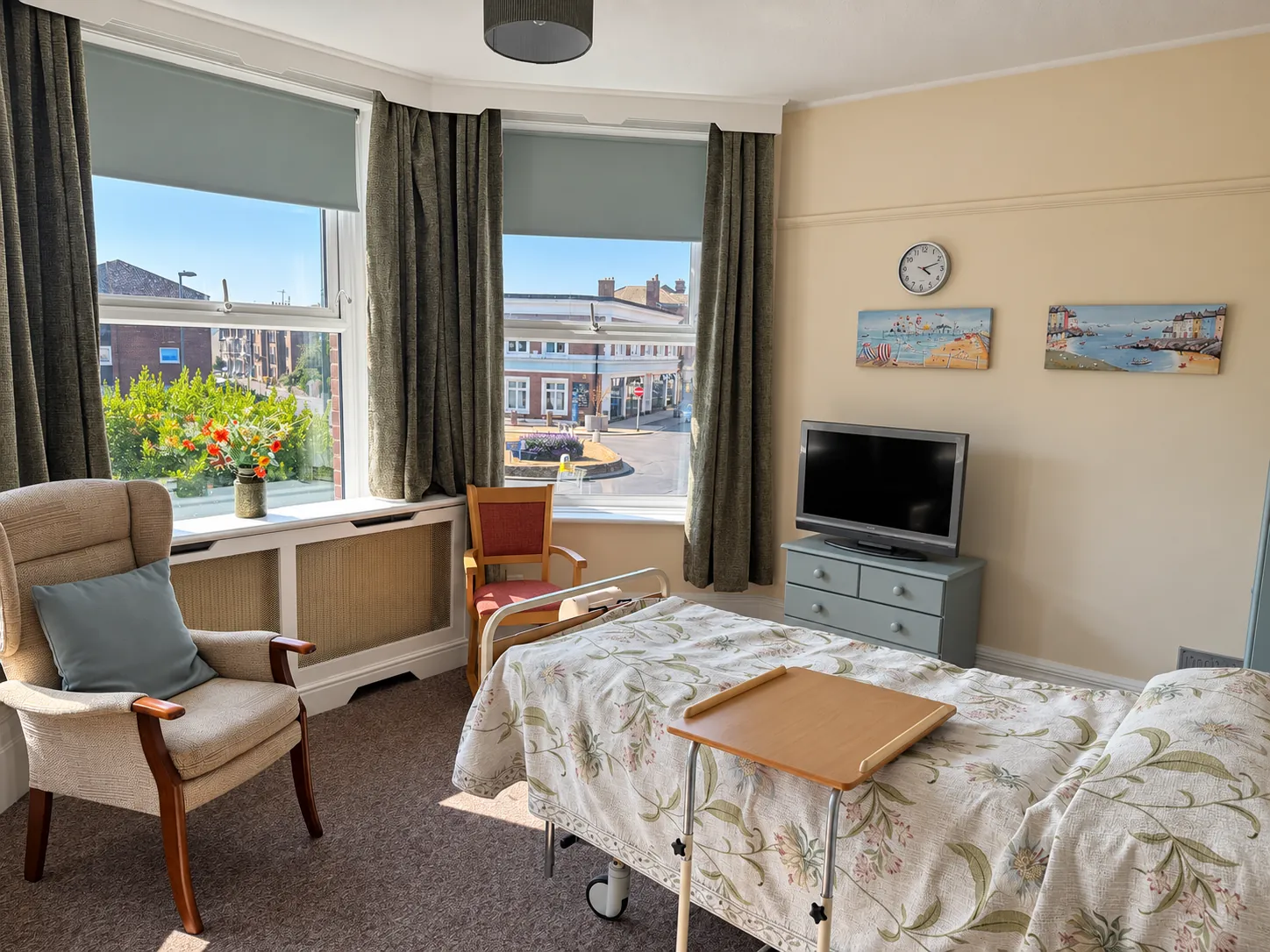
A bedroom at Nightingale with an armchair, a television and a wide bay window looking out over the street

Most of everyday life is included

The weekly fee covers care day and night, all meals and drinks, laundry, activities and the support of our team. It also includes a nurse call in every room, time in the garden and patio, and a room your loved one can make familiar with their own furniture, photographs and treasured things.

A small number of personal services and purchases are charged separately, including hairdressing, chiropody, newspapers and particular toiletries. We will explain these clearly before you decide, and you are always welcome to ask us to go through the details again.

Help with paying

Understanding the ways care can be funded

Funding care can be confusing, and you do not have to make sense of it alone. We cannot give financial advice, but we can explain the main routes, share what other families usually do next and point you towards the right assessment.

One

Funding your own care

If the person receiving care has savings and assets above the upper capital limit, they will usually pay for their own care. For 2026/27, that limit in England is £23,250. We will give you a clear weekly fee in writing before a place is agreed.

May apply when: savings and assessable assets are above the upper capital limit.

Two

Local authority funding

West Sussex County Council will first assess the care your loved one needs, then look at what they can afford to contribute. We welcome council-funded residents, with or without a family top-up, and will explain openly whether a place at Nightingale can work within the agreed budget.

May apply when: savings and assessable assets are below the upper capital limit.

Three

NHS Continuing Healthcare

Some people with complex, long-term health needs may qualify for care arranged and funded by the NHS. Eligibility is decided through an assessment. We can help you understand how to request one and what information the assessment team may need.

May apply when: health needs are complex, intense or change unpredictably.

Four

NHS funded nursing care

If your loved one needs nursing care but does not qualify for NHS Continuing Healthcare, they may be eligible for NHS-funded nursing care. The NHS pays this contribution directly to the home. We will explain how it is reflected in the fee and tell you the current amount.

May apply when: a person has been assessed as needing registered nursing care.

Council funding

How the council financial assessment works

After assessing your loved one's care needs, West Sussex County Council will look at their income, savings and certain assets. These are the capital limits for England in 2026/27; individual circumstances and the rules about which assets are included can affect the final decision.

Below the lower limit

Capital below this amount is not included in the contribution calculation, although income may still be taken into account.

£14,250Lower limit for 2026/27
Between the two

The person usually contributes from income and capital, with the council contributing towards eligible care costs.

£23,250Upper limit for 2026/27
Above the upper limit

The person will usually pay the full cost of their care until their assessable capital falls below this limit.

And the house?

This is often the part families worry about most. A home is not automatically included: for example, it is usually disregarded while a spouse or partner still lives there. The rules depend on individual circumstances, so ask the council for a full financial assessment before making assumptions.

Questions families often ask about fees

The starting figures are different, as the table above shows. As with a permanent place, the figure for your own situation is confirmed in writing before the stay begins. There is more about how a short stay works on our respite and short stays page.

Please talk to us as early as you can. If savings are approaching the upper capital limit, we can explain how to request a West Sussex County Council assessment and discuss what a change in funding could mean for your loved one's place. We have helped many families through this transition and will approach it with care.

No. It costs nothing to visit, ask questions or talk things through with us, however many conversations you need. Nothing is due until a place has been agreed and your loved one moves in.

...the Manager and her staff team treated her with utmost dignity and respect. Any phone calls were answered promptly or returned quickly and communication was excellent. Thank you for your care it gave us peace of mind at a difficult time.
P WCousin of Resident

Review from carehome.co.uk

Let us help you make sense of the next step

Tell us a little about your loved one and the care they need. We will explain what a place at Nightingale would cost and help you understand which funding route may be worth exploring.